Asbestos Encapsulation in Freehold, NJ
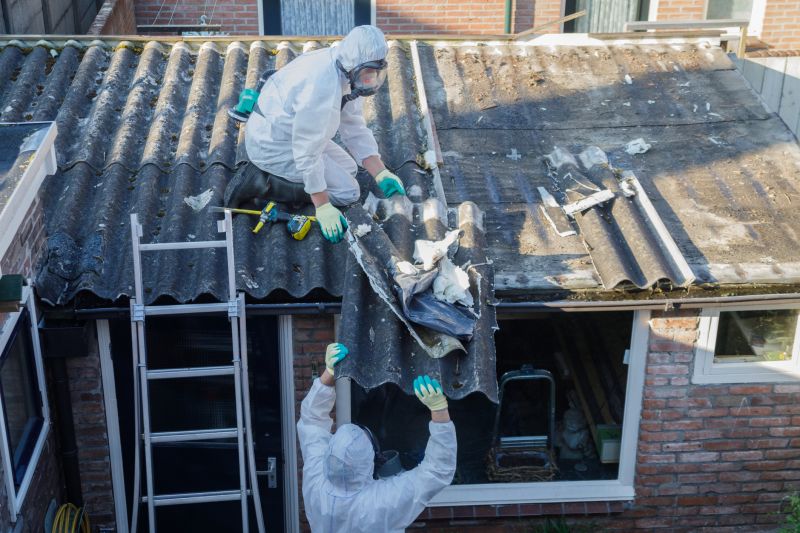
Asbestos encapsulation services involve applying a protective coating or sealant over existing asbestos-containing materials to prevent the release of asbestos fibers into the air. This process is often used in properties where asbestos is in good condition but may pose a risk if disturbed during renovations or maintenance. Projects typically include sealing asbestos in areas such as walls, ceilings, or flooring, providing a barrier that reduces the potential for fiber release without the need for removal. Homeowners considering encapsulation should understand the importance of proper assessment to determine if this method is appropriate for their specific situation and ensure the work complies with safety guidelines.
Property owners usually request asbestos encapsulation when they want a cost-effective, less invasive alternative to removal, especially in areas where asbestos-containing materials are intact and undisturbed. It’s important to evaluate the condition of the asbestos material beforehand, as encapsulation is most effective when the existing asbestos is in good shape. Additionally, understanding the scope of the project, including the types of surfaces involved and the potential need for future inspections, helps homeowners make informed decisions about managing asbestos risks safely and effectively.
Many property owners in Freehold, NJ look into Asbestos Encapsulation for repairs, replacements, upgrades, and appearance-related improvements.
Understanding Asbestos Encapsulation
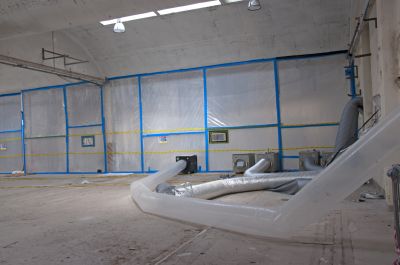
Encapsulation involves sealing asbestos-containing materials to prevent fiber release and protect indoor air quality.
Common Encapsulation Applications
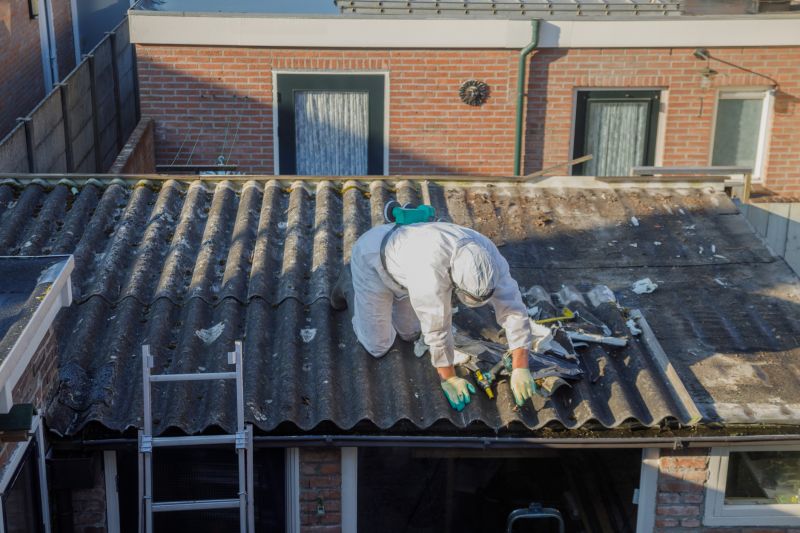
This service is often used on asbestos flooring, pipe insulation, and ceiling tiles in residential and commercial properties.
Benefits Of Encapsulation
Encapsulation can extend the lifespan of asbestos materials while reducing the need for removal and minimizing disruption.
Asbestos Encapsulation in Freehold, NJ
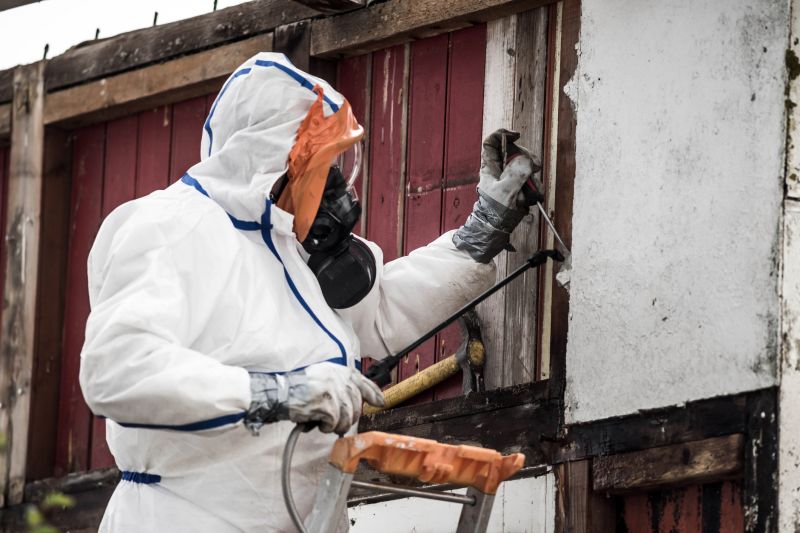
Asbestos encapsulation services involve applying a protective coating or sealant over existing asbestos-containing materials to prevent the release of asbestos fibers into the air. This process is often used in properties where asbestos is in good condition but may pose a risk if disturbed during renovations or maintenance. Projects typically include sealing asbestos in areas such as walls, ceilings, or flooring, providing a barrier that reduces the potential for fiber release without the need for removal. Homeowners considering encapsulation should understand the importance of proper assessment to determine if this method is appropriate for their specific situation and ensure the work complies with safety guidelines.
Property owners usually request asbestos encapsulation when they want a cost-effective, less invasive alternative to removal, especially in areas where asbestos-containing materials are intact and undisturbed. It’s important to evaluate the condition of the asbestos material beforehand, as encapsulation is most effective when the existing asbestos is in good shape. Additionally, understanding the scope of the project, including the types of surfaces involved and the potential need for future inspections, helps homeowners make informed decisions about managing asbestos risks safely and effectively.
Many property owners in Freehold, NJ look into Asbestos Encapsulation for repairs, replacements, upgrades, and appearance-related improvements.
Common Asbestos Encapsulation Jobs
Asbestos Encapsulation - a protective coating applied to contain asbestos materials in place.
Attic Insulation - sealing asbestos-containing insulation to prevent fiber release.
Pipe Insulation - coating asbestos pipes to reduce asbestos fiber exposure.
Wall Coatings - encapsulating asbestos in walls to prevent deterioration.
Flooring Coverings - sealing asbestos-containing floor materials for long-term containment.
Ceiling Treatments - applying encapsulants to asbestos ceilings to improve safety.
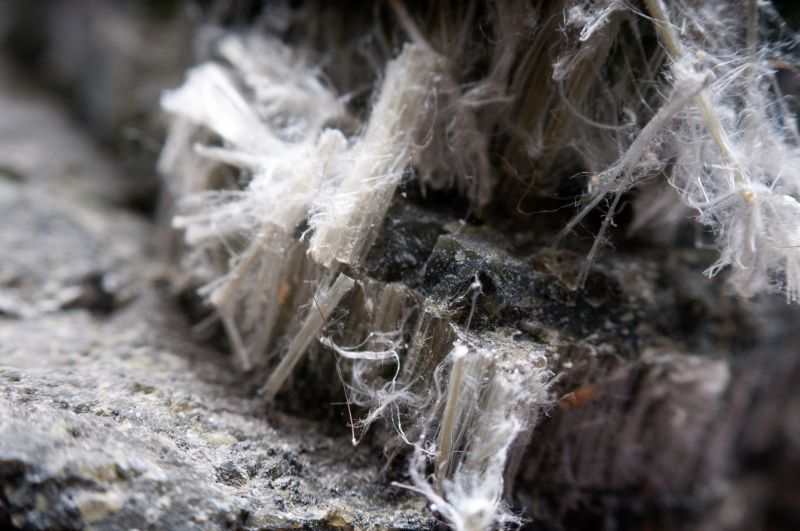
Asbestos Encapsulation Questions
What is asbestos encapsulation? Asbestos encapsulation involves applying a sealant or coating to contain asbestos materials, preventing fiber release and reducing health risks.
When is asbestos encapsulation recommended? Encapsulation is suitable when asbestos-containing materials are in good condition but may become damaged or disturbed over time.
Are there different types of encapsulation methods? Yes, common methods include spray-on coatings, paint-like sealants, and encapsulating barriers, depending on the project needs.
Is asbestos encapsulation a permanent solution? Encapsulation can effectively contain asbestos, but regular inspections are recommended to ensure the seal remains intact over time.
Request Asbestos Encapsulation in Freehold, NJ
Use the quote form on this page to share the basics of your project and request more information for the type of work you need.